
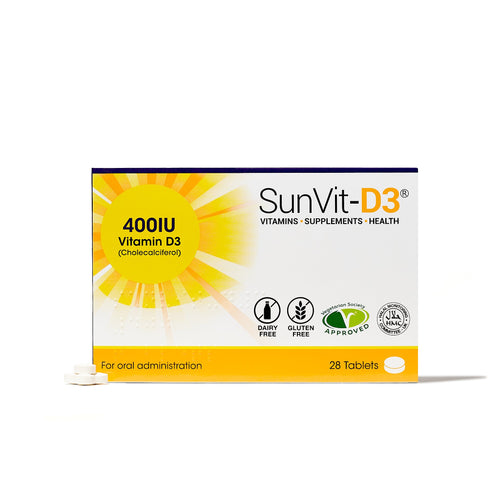
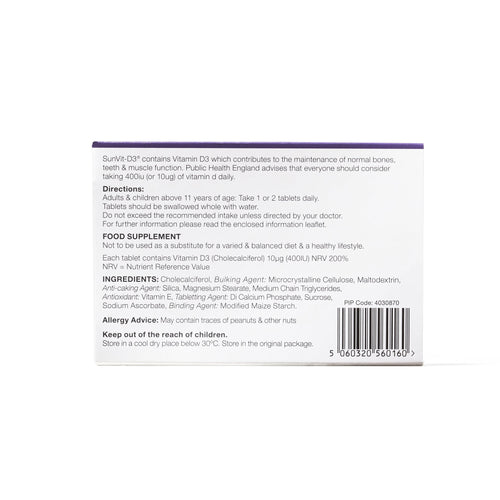
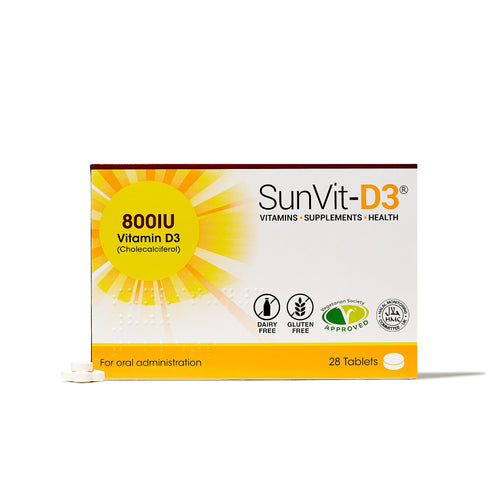
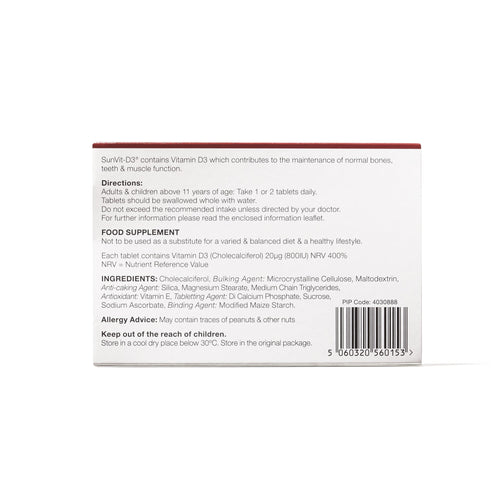
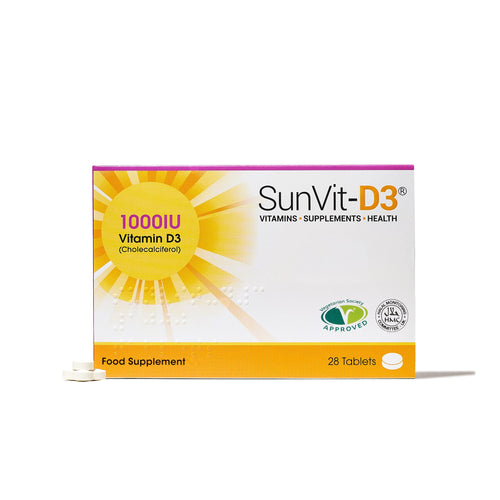
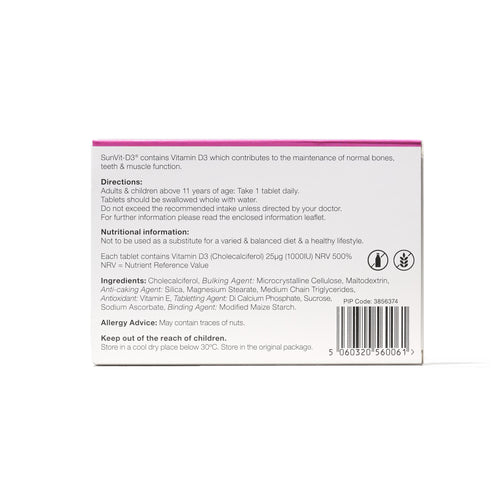
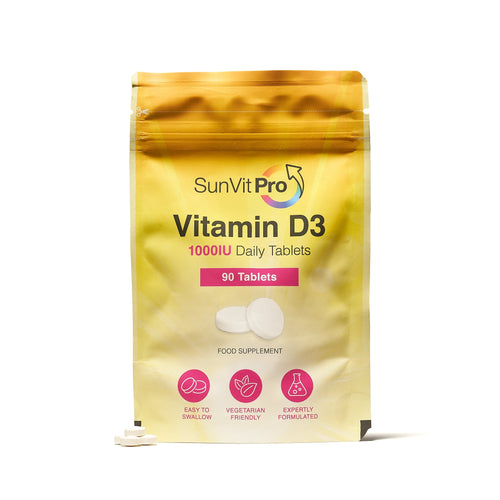
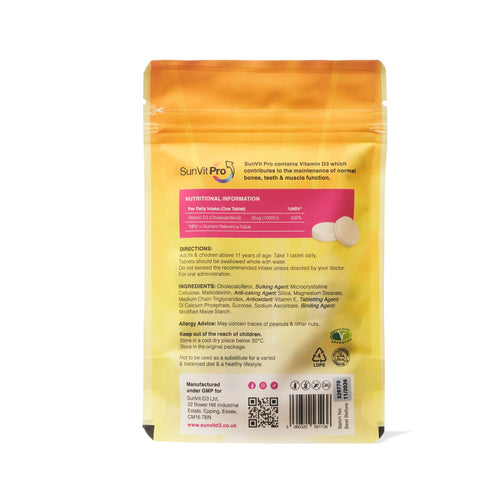
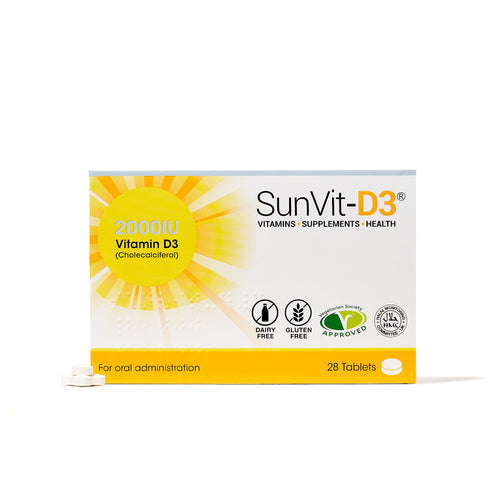
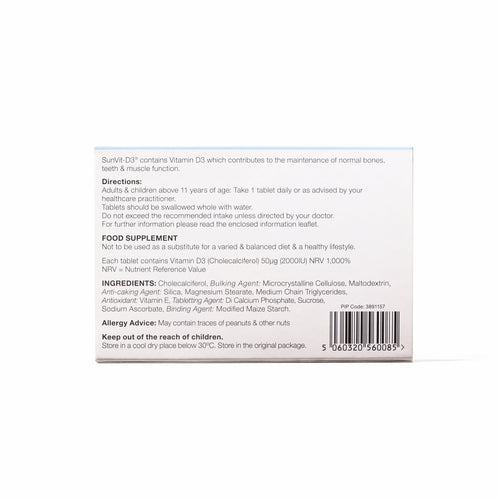
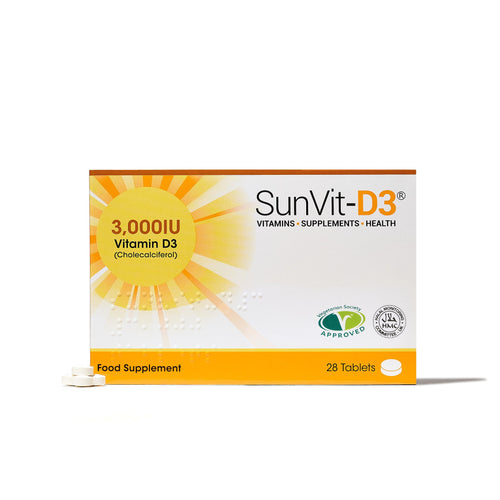
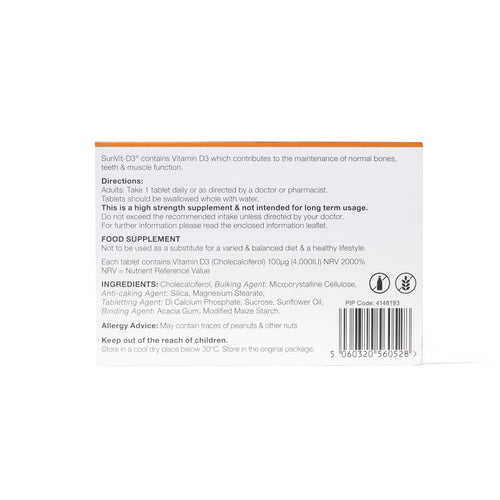
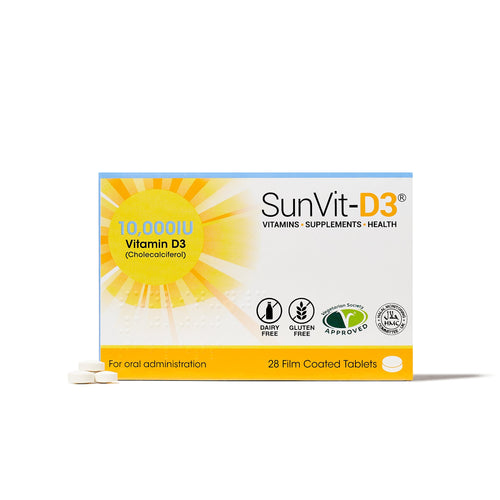
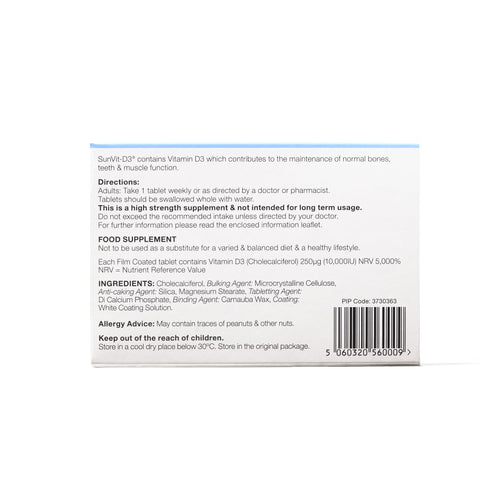
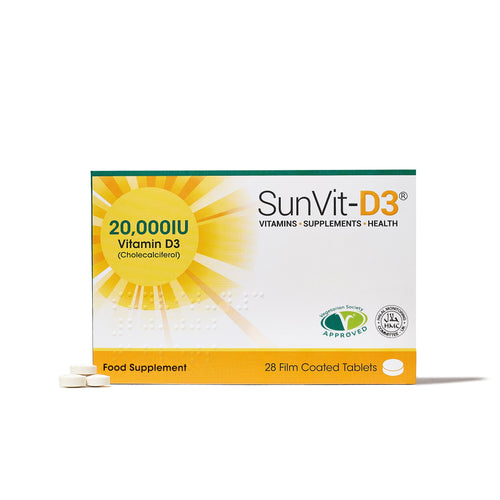
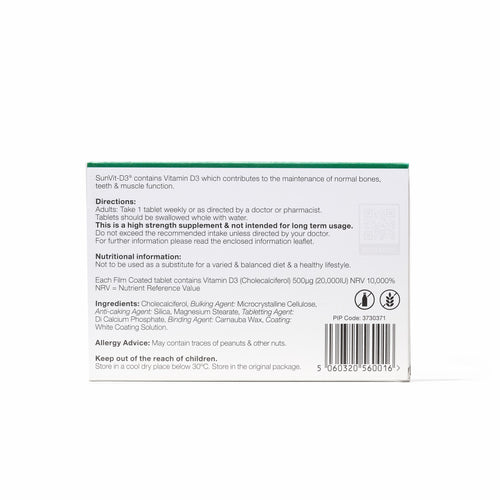
Showing 11 Products in Vitamin D3 Tablets For Health & Wellness
Supports Heart Health
Strengthens the Immune System
Supports Muscle Function
Frequently Asked Questions
Cholecalciferol is a natural form of vitamin D inside the body. It gets converted to a form of vitamin D your body can use called calcitriol through the liver and the kidneys. It helps your body to take in more calcium and phosphorous from the food you eat and by getting your kidneys to keep more calcium in the body instead of peeing it out, all types of vitamin D work in this way. Having the right amount of calcium and phosphorus is important for building your bones and keeping them strong.
Cholecalciferol needs to change into its active form (calcitriol) before it can work, so it does not work straight away. Higher doses of cholecalciferol work more quickly. They are taken for a short period of time so have to work more quickly to raise your vitamin D levels. If you've been getting bone, muscle or joint pain, your symptoms are likely to get better when your vitamin D levels are normal again. This is usually after a few weeks or months. If your symptoms last longer than this, your doctor advise you to take a blood test for vitamin D deficiency.
Your child's dose will depend on their age and how severe their vitamin D deficiency is. Your child's doctor may recommend changes to your child's diet to improve their vitamin D levels. If changes to their diet still do not provide enough vitamin D then the doctor may prescribe a maintenance dose of 400IU to 2,000IU for them to take daily long term. The recommended safe daily upper level for children aged 1 to 10 years old is 2,000IU or 50µg, advised by the NHS
For adults, if you're taking a loading dose for severe vitamin D deficiency you'll usually take it daily or weekly for 6 to 10 weeks and then check your D3 levels . To maintain your vitamin D levels or prevent deficiency you'll usually take cholecalciferol long term. Children with severe vitamin D deficiency usually take a loading dose for 8 to 12 weeks. They may then take a lower, maintenance dose of vitamin D long term. If you or your child's vitamin D levels are OK, your doctor may recommend safely increasing your exposure to sunlight and adding more foods that are high in vitamin D to your diet. If you stop taking cholecalciferol, your symptoms may come back and your bone health may be affected. Stopping cholecalciferol could cause the calcium levels in your body to fall. This can cause problems like bone pain or muscle weakness.